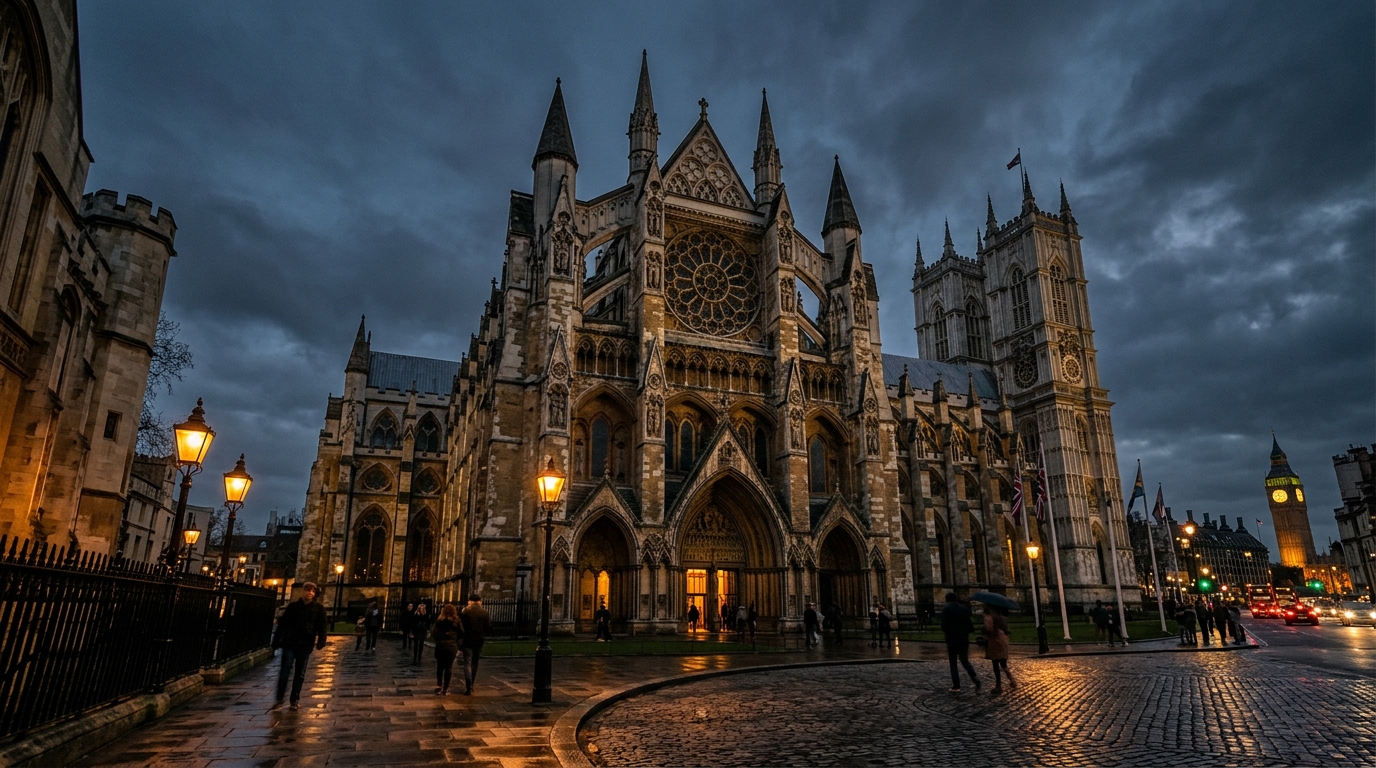
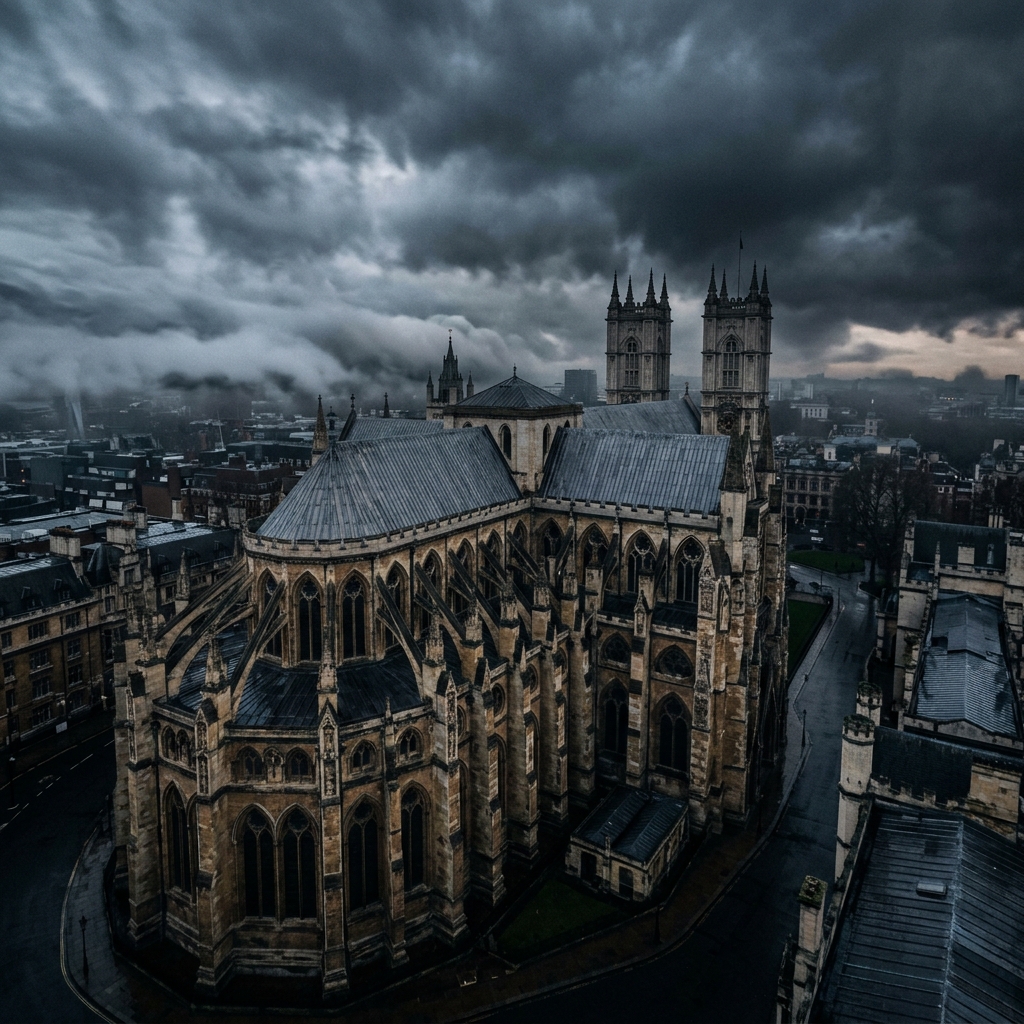
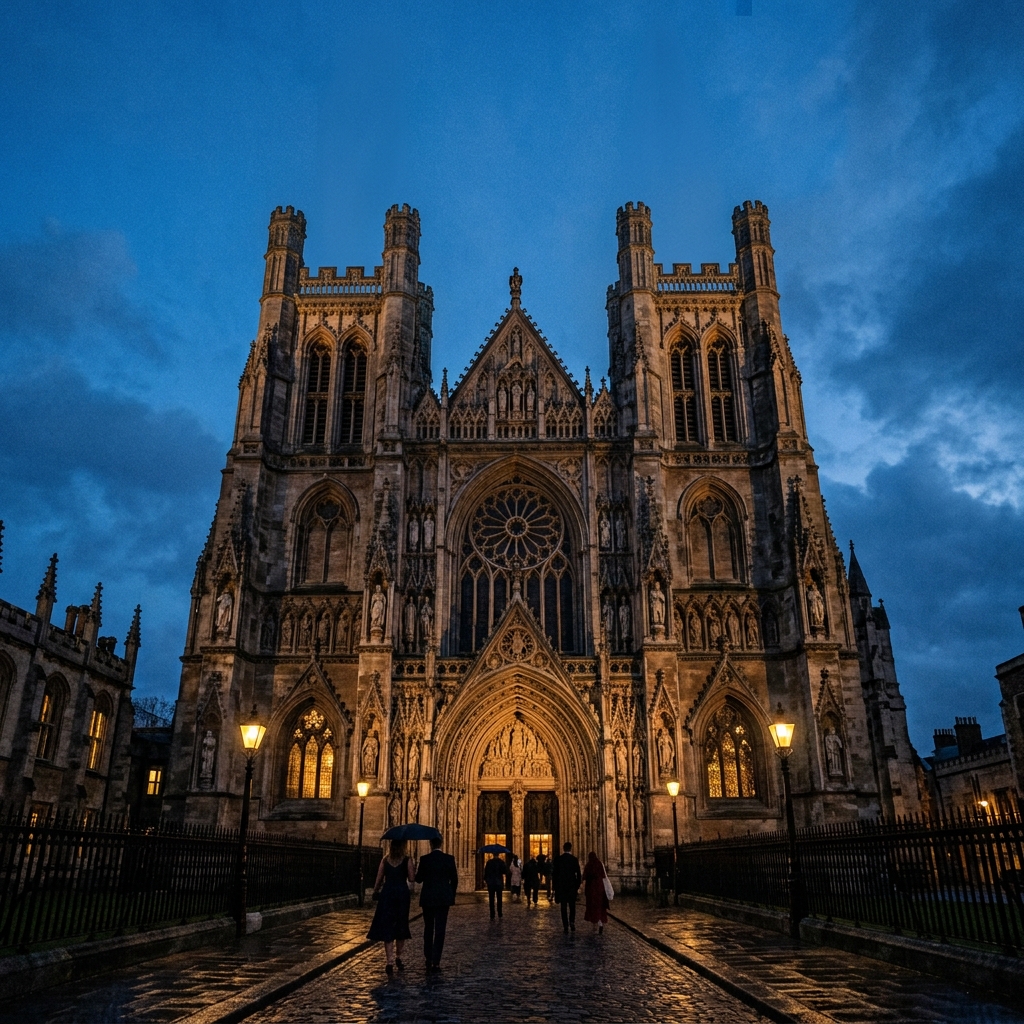
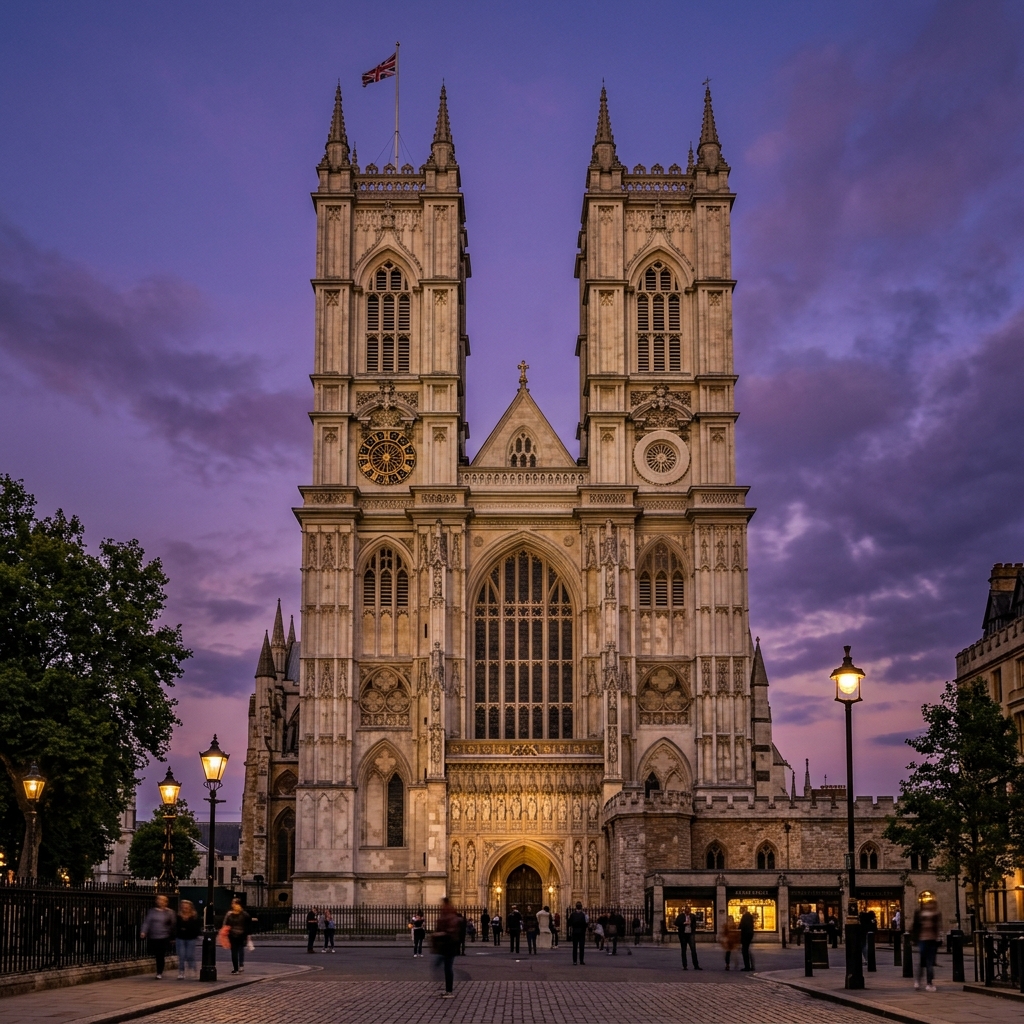
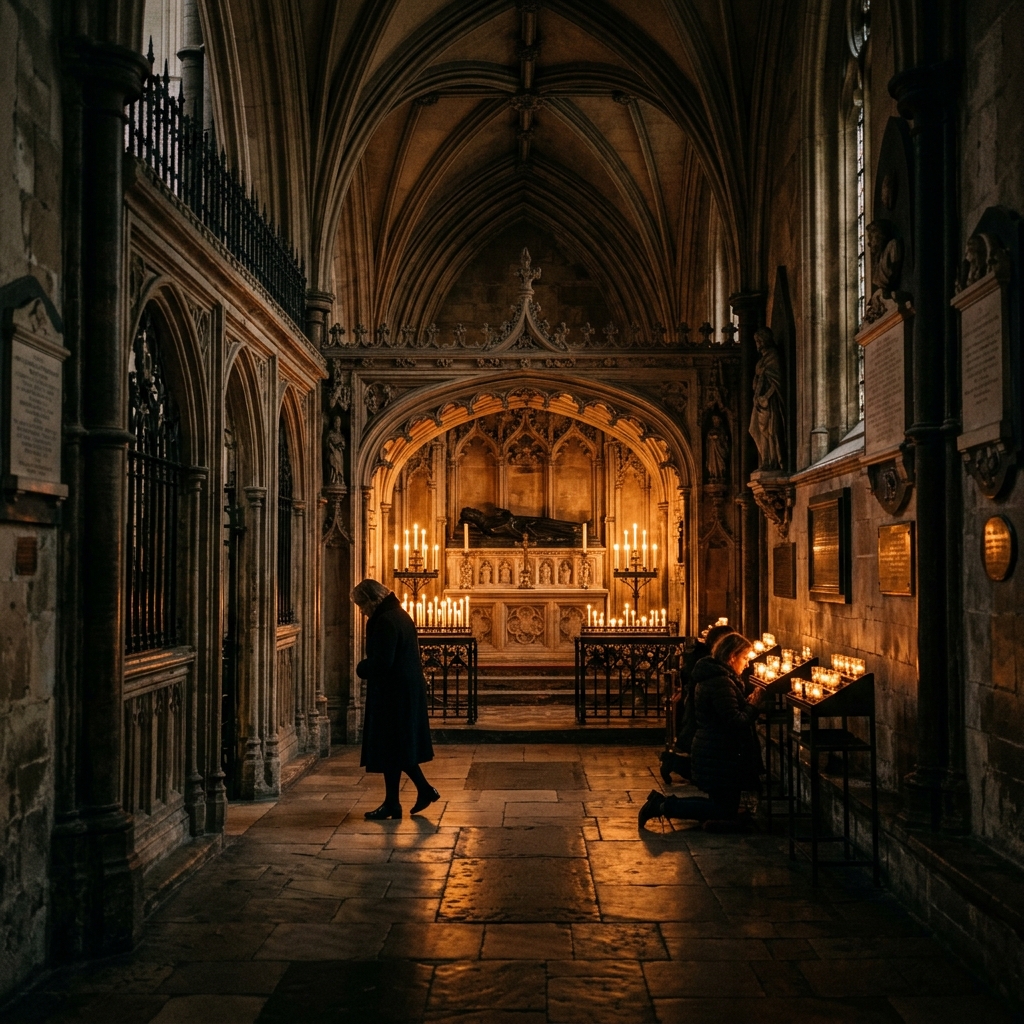
In each side-by-side article, we measure Westminster Abbey against the world's great sacred and civic landmarks — judging them across four rigorous criteria: architecture, history, cultural impact, and visitor experience. No sentimentality — only evidence, stone, and story.
Six rigorous, side-by-side essays examining how the Abbey measures up to the most celebrated sacred sites on earth — from London to Istanbul, Paris to Rome.
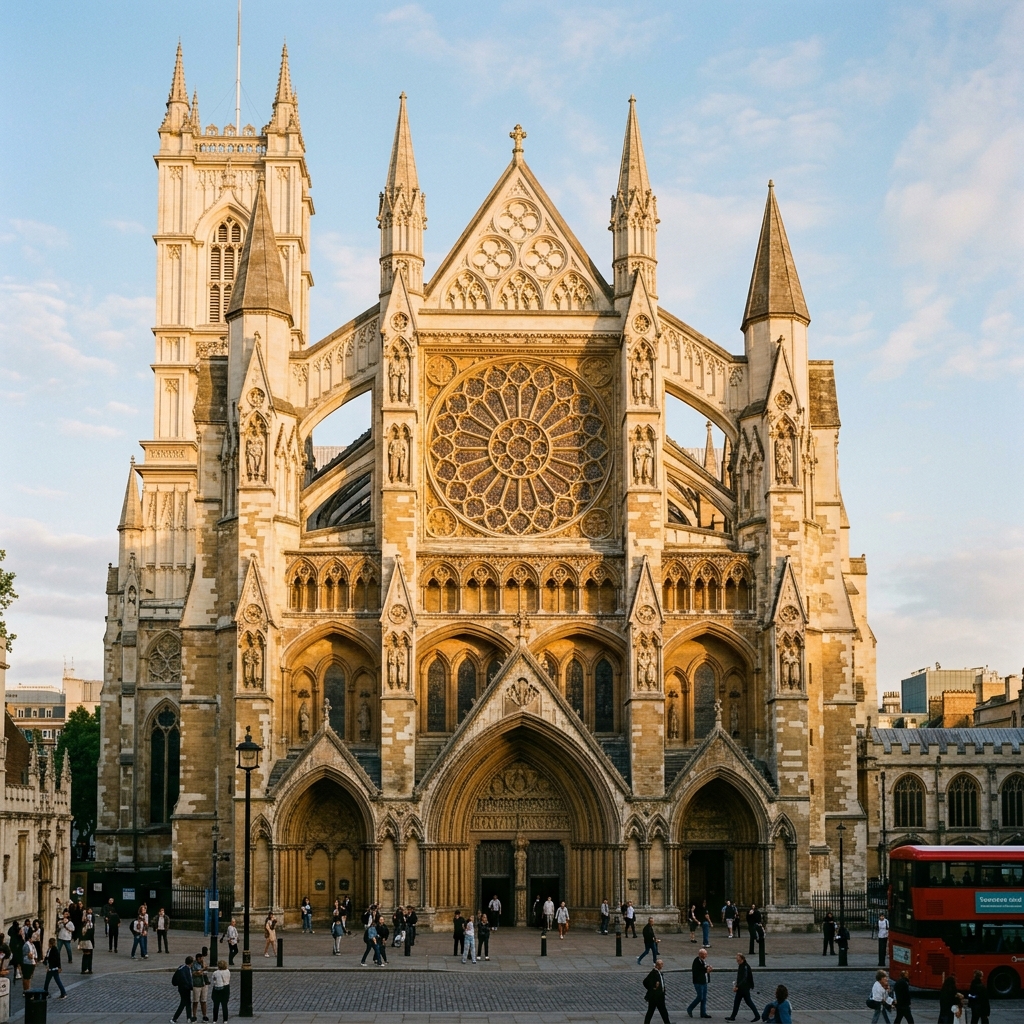
Westminster Abbey
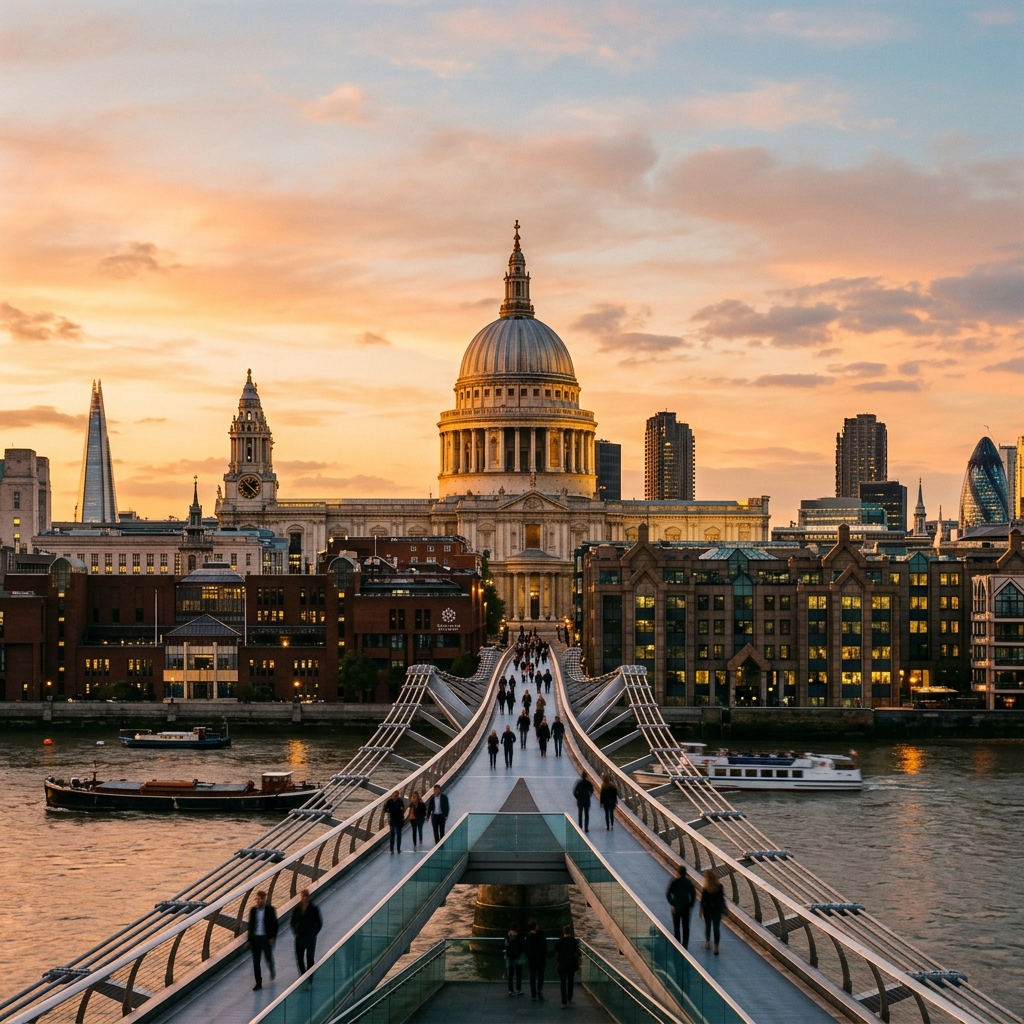
St. Paul's Cathedral
VS
Best for Royal History
Westminster Abbey vs. St. Paul's Cathedral
Both landmarks define London's skyline, yet they speak entirely different architectural languages. Westminster Abbey whispers in Gothic — its pointed arches, in…
Westminster Abbey
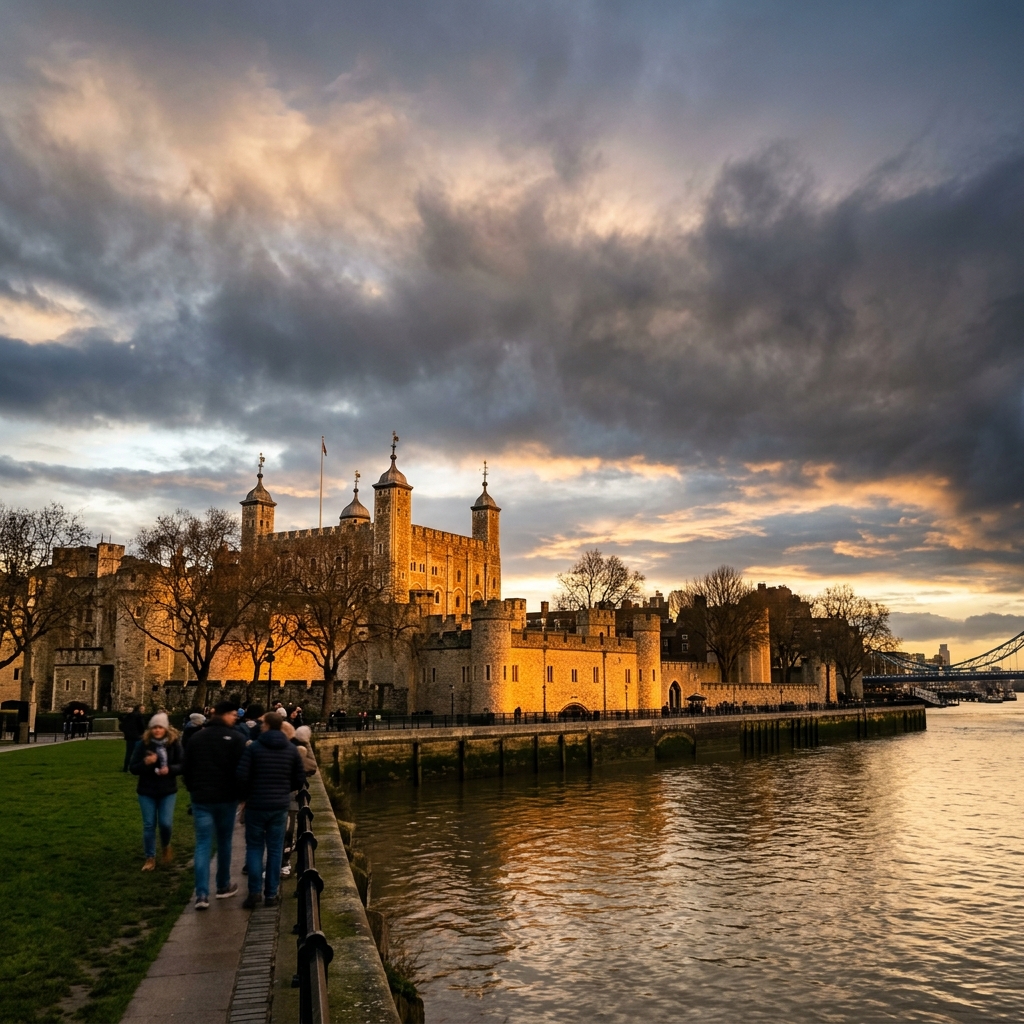
Tower of London
VS
Best for Dark History
Westminster Abbey vs. the Tower of London
One is a place of sacred anointing; the other, a place of terrifying power. Westminster Abbey and the Tower of London both sit at the heart of English history, …
Westminster Abbey
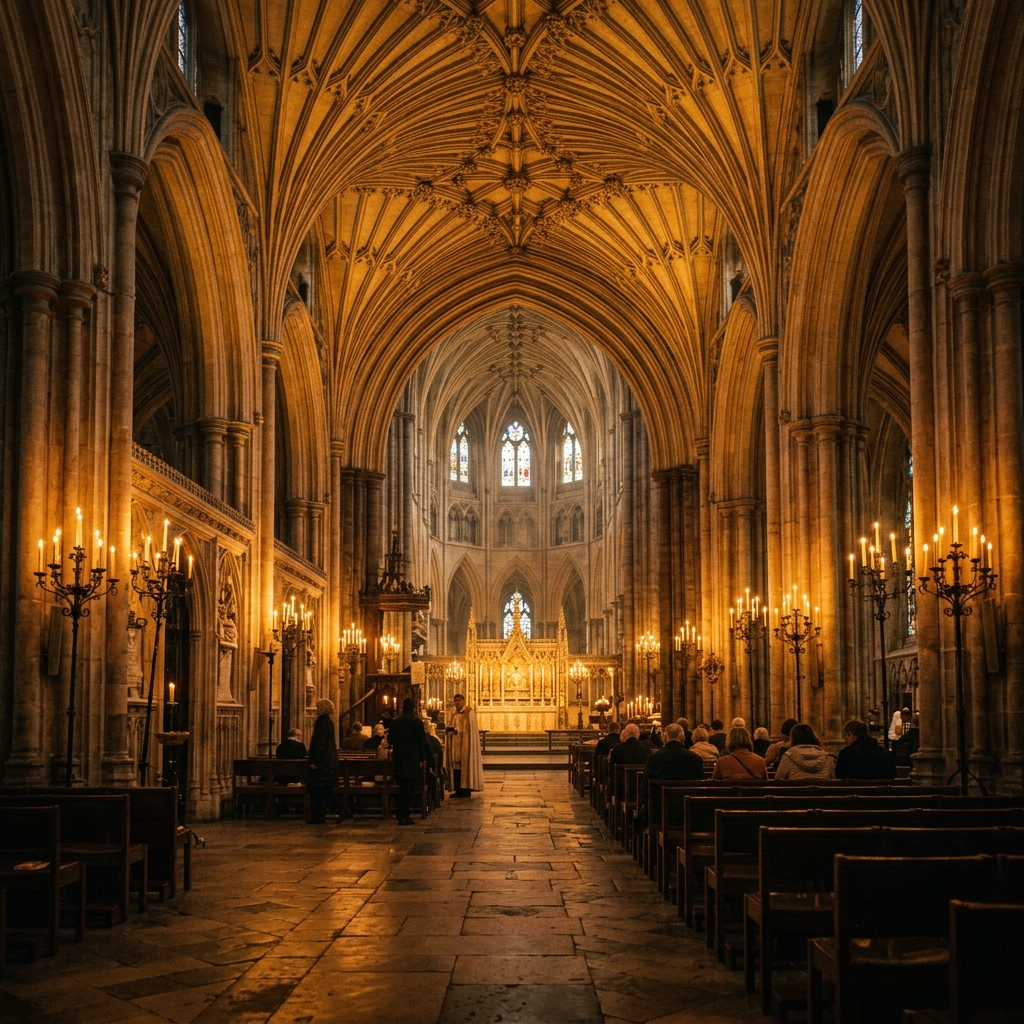
Notre-Dame de Paris
VS
Best for Gothic Architecture
Westminster Abbey vs. Notre-Dame de Paris
Two of Europe's greatest Gothic cathedrals face each other across the Channel, each carrying centuries of national memory in their stones. Notre-Dame, begun in …
Westminster Abbey
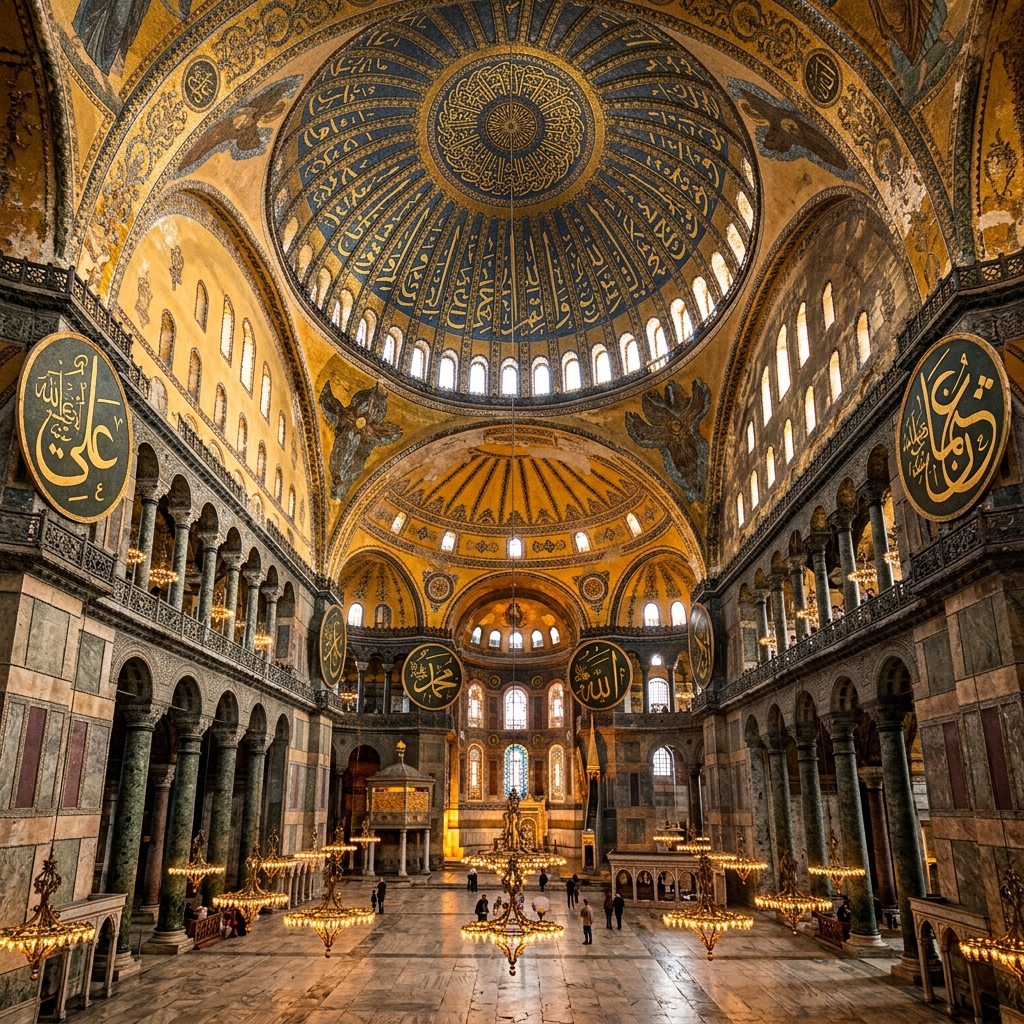
Hagia Sophia
VS
Best for Civilisational Scale
Westminster Abbey vs. Hagia Sophia
To compare Westminster Abbey with Hagia Sophia is to measure centuries against millennia. Hagia Sophia, completed in 537 AD under Emperor Justinian, is nearly s…
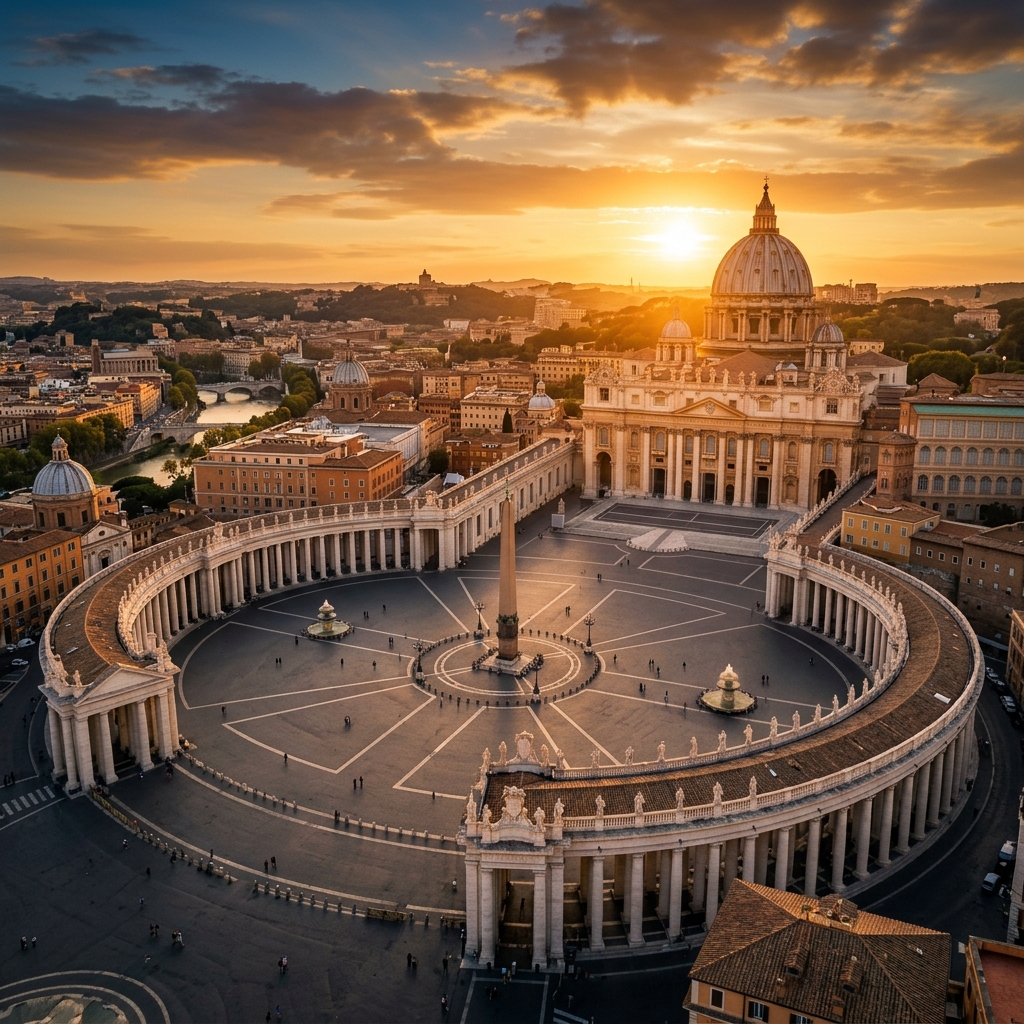
Westminster Abbey
St. Peter's Basilica
VS
Best for Sacred Grandeur
Westminster Abbey vs. St. Peter's Basilica
If Westminster Abbey is the spiritual home of the English monarchy, St. Peter's Basilica is the spiritual capital of the Catholic world. No building on earth ha…
Westminster Abbey
Sacré-Cœur
VS
Best for Spiritual Atmosphere
Westminster Abbey vs. Sacré-Cœur
They are separated by the Channel and by nearly a millennium of history, yet Westminster Abbey and Sacré-Cœur share an unlikely common thread: both were built, …
Our Methodology
How We Compare Centuries of Heritage
Every comparison published on vvestmisterabbey is grounded in three equally weighted pillars. Together they ensure that no single quality — however spectacular — skews the verdict. Here is exactly what we look for, and why.
01
Architectural Significance
Stone, Style & Structural Genius
Age & historical dating of the original structure
Architectural style — Gothic, Romanesque, Baroque, and beyond
Structural innovations unique to the period and region
Preservation state and authenticity of surviving fabric
Influence on contemporaneous and subsequent buildings
We examine each site through the lens of its physical fabric — when it was raised, by whom, and what engineering or aesthetic leaps it represented for its era. A Norman nave and a Perpendicular Gothic fan vault are measured not against each other in a vacuum, but in relation to what was thought possible at the time of their creation. Authenticity of surviving stonework, the degree of later alteration, and any UNESCO or national designation all feed into our scoring.
02
Historical Impact
Rulers, Rites & Turning Points
Coronations, burials, and royal ceremonies held on site
Political and religious turning points linked to the place
Famous figures interred, exiled, or transformed there
Role in shaping national or international cultural identity
Primary source documentation and scholarly consensus
Stone endures, but history is made by the people who moved through it. We trace each monument's role in the political and spiritual life of its nation — the coronations solemnised, the treaties sealed, the reformations ignited. A cathedral that witnessed the martyrdom of an archbishop weighs differently in our assessment than one that served as an undisturbed parish church. We cross-reference primary chronicles, contemporary scholarship, and the density of historically significant events per century.
03
Visitor Experience
Accessibility, Crowds & the Living Site
Ease of access by public transport, car, and on foot
Average crowd density across seasons and times of day
Quality and depth of guided tour options
Opening hours, ticket costs, and advance booking needs
Facilities for visitors with accessibility requirements
A monument of supreme historical pedigree can be diminished by a chaotic visitor experience — or elevated by a masterfully curated one. We visit each site across different seasons where possible, logging queue times, signage clarity, audio guide quality, and the availability of expert-led tours. We weight heavily the ratio of interpretive depth to ticket price, and note honestly where restricted access limits what paying visitors can actually see and appreciate.
Editorial Standard
Each pillar is scored on a ten-point scale by at least two independent contributors before publication. Where our scores diverge by more than two points, a third review is commissioned. Final verdicts reflect consensus, not individual enthusiasm — because centuries of stone deserve more than a single opinion.